

Study Reveals OsCpn10a Regulates Grain Size in Rice
November 25, 2026| |
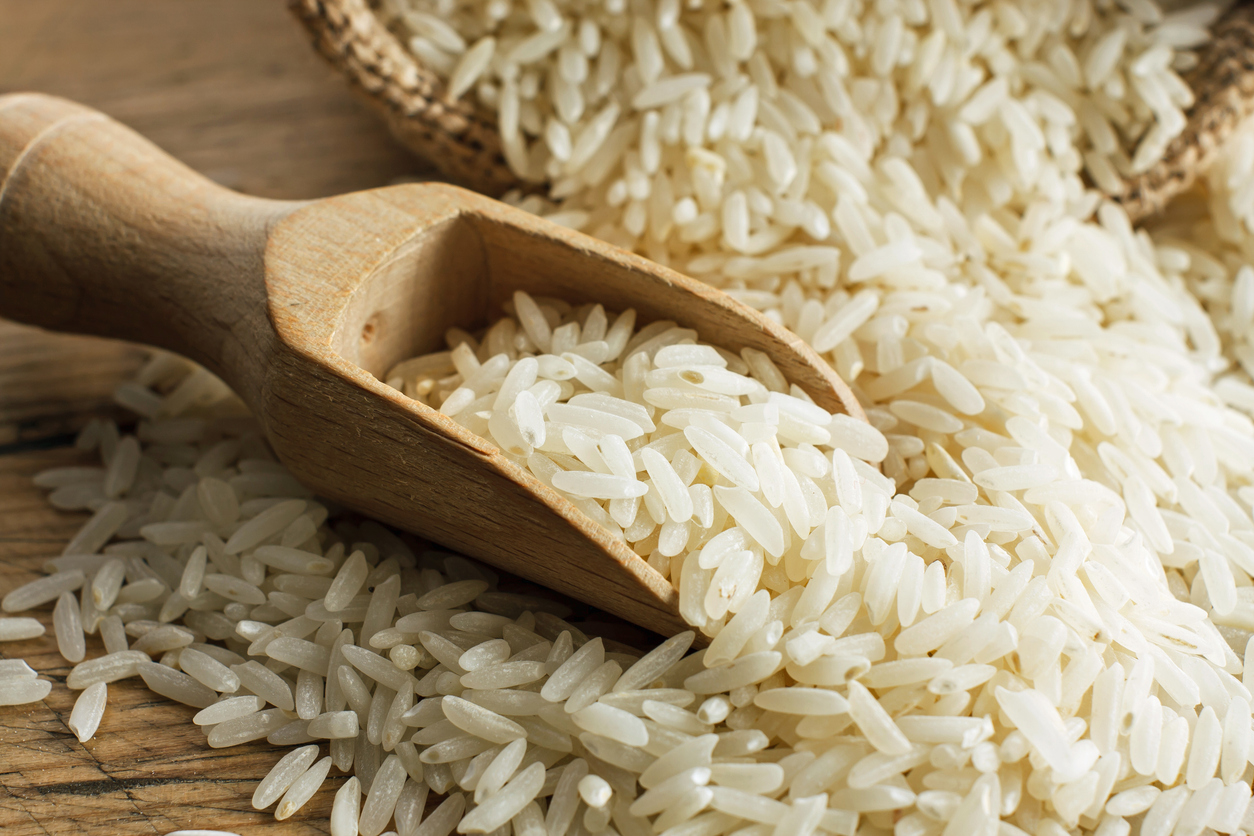
Grain size is a primary driver of both rice crop yield and market quality. While past agricultural research has pinpointed several genetic pathways that control seed growth, recent studies show that a plant's internal "protein quality control" system is equally vital. Essentially, developing rice grains rely on specialized helper proteins, called chaperonins, to fold and organize new proteins properly so the seed can reach its full potential.
In a study published in the journal Plants, researchers from Fujian Academy of Agricultural Sciences and partners identified a previously unknown helper protein in rice, called OsCpn10a. This protein directly regulates grain size and overall yield. Using CRISPR-Cas9 to either turn this protein off or boost its activity, they found that OsCpn10a controls how much the rice grain's outer husk expands. This physical expansion directly determines the grain's final shape and weight.
Further genetic analysis revealed that OsCpn10a works by influencing other protective stress-response genes that keep the plant's cellular machinery running smoothly during rapid growth. The research findings show how a plant's internal protein-management system connects with its growth signals, thus offering a promising new genetic target for breeding higher-yielding, better-quality rice varieties.
Read more from Plants.
| |
You might also like:
- Philippines Approves Commercial Propagation of High Iron and Zinc Rice
- PhilRice Study Pinpoints Low-GI Rice Varieties for Diabetics
- Rice Gene Discovery to Reduce Fertilizer Needs
Biotech Updates is a weekly newsletter of ISAAA, a not-for-profit organization. It is distributed for free to over 22,000 subscribers worldwide to inform them about the key developments in biosciences, especially in biotechnology. Your support will help us in our mission to feed the world with knowledge. Support ISAAA by subscribing as a Premium or Elite Subscriber
-
See more articles:
-
Gene Editing Supplement (November 25, 2026)
-
Research and Tools
- Gene Editing Helps Citrus Plants Resist Canker Disease
- Study Reveals OsCpn10a Regulates Grain Size in Rice
- Multiplex Gene Editing Eliminates Day-Length Barriers in Tropical Maize
- CRISPR Gene Editing Accelerates New Traits in Ornamental Flowers Amid Regulatory Shifts
-
Read the latest: - Biotech Updates (November 25, 2026)
- Gene Editing Supplement (November 25, 2026)
- Gene Drive Supplement (February 22, 2023)
-
Subscribe to BU: - Subscribe
- Share
- Tweet