ISAAA, Inc. and DA-BPO Release Latest Issue of Pinoy Biotek Magazine |
|
|
|
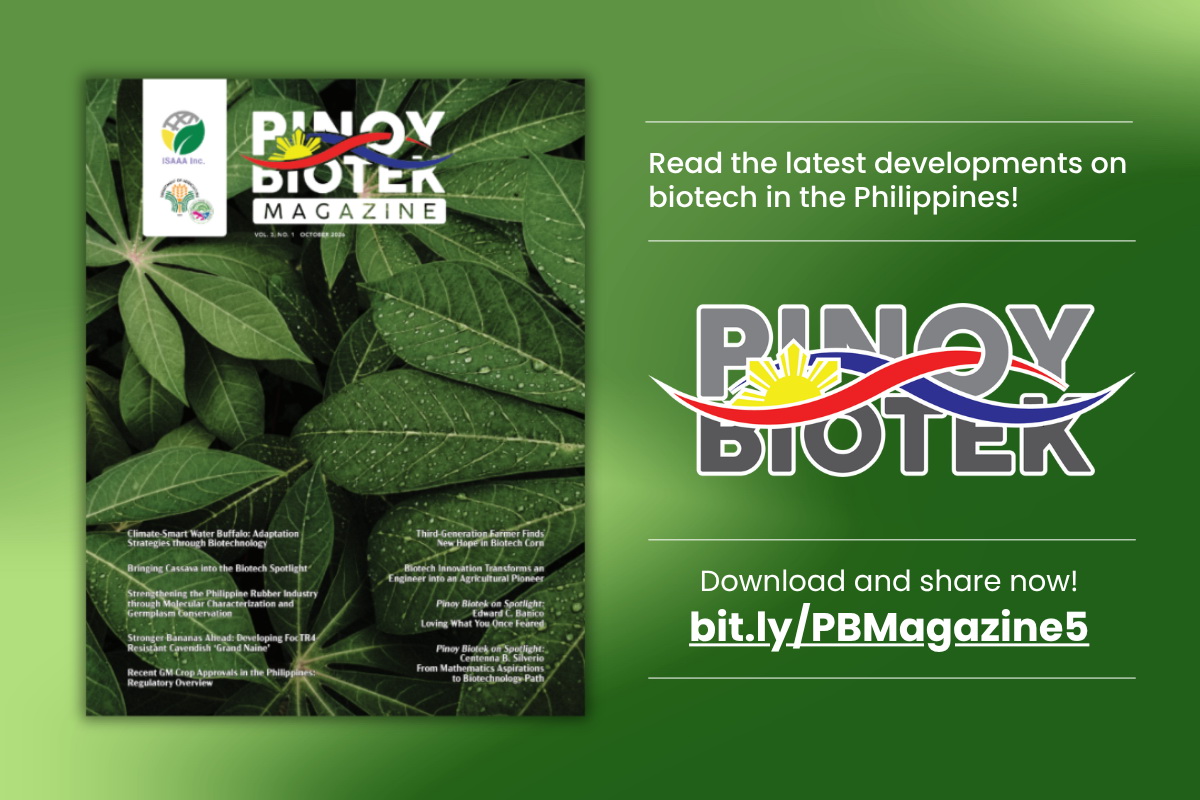
The International Service for the Acquisition of Agri-biotech Applications, Inc. (ISAAA, Inc.), in partnership with the Department of Agriculture - Biotechnology Program Office (DA-BPO), released the fifth issue of Pinoy Biotek Magazine, featuring Filipino-developed innovations that support Philippine agriculture. Pinoy Biotek Magazine Vol. 3 No. 1 highlights projects on Climate-Smart Water Buffalo (CSWB), cassava adaptability and drought screening, rubber germplasm conservation and utilization, and Fusarium wilt Tropical Race 4 (FocTR4)-resistant Cavendish banana ‘Grand Nine.' The latest issue provides an overview of the recent genetically modified (GM) crop event approvals and the Philippine regulatory system and highlights stories of two biotech corn farmers and two DA-BPO scholars.
|
|
|
|
|
New Gene Editing Tool to Enable Insertion of Large Sections of DNA |
|
|
|
Researchers from Cornell University and McGill University have developed a new gene editing tool that could improve the accuracy and efficiency of genetic modifications in plants, animals, and humans. The technique, called an RNA-guided transposition system, uses engineered bacterial components to insert large sections of DNA into specific locations in a genome. Published in Molecular Cell, the study introduces an alternative to existing CRISPR-Cas systems that could support research, crop improvement, and development of treatments for genetic diseases that require changes to larger DNA sequences.
|
|
|
|
|
Precision Fermentation Creates Opportunities for Sustainable Land Use |
|
|
|
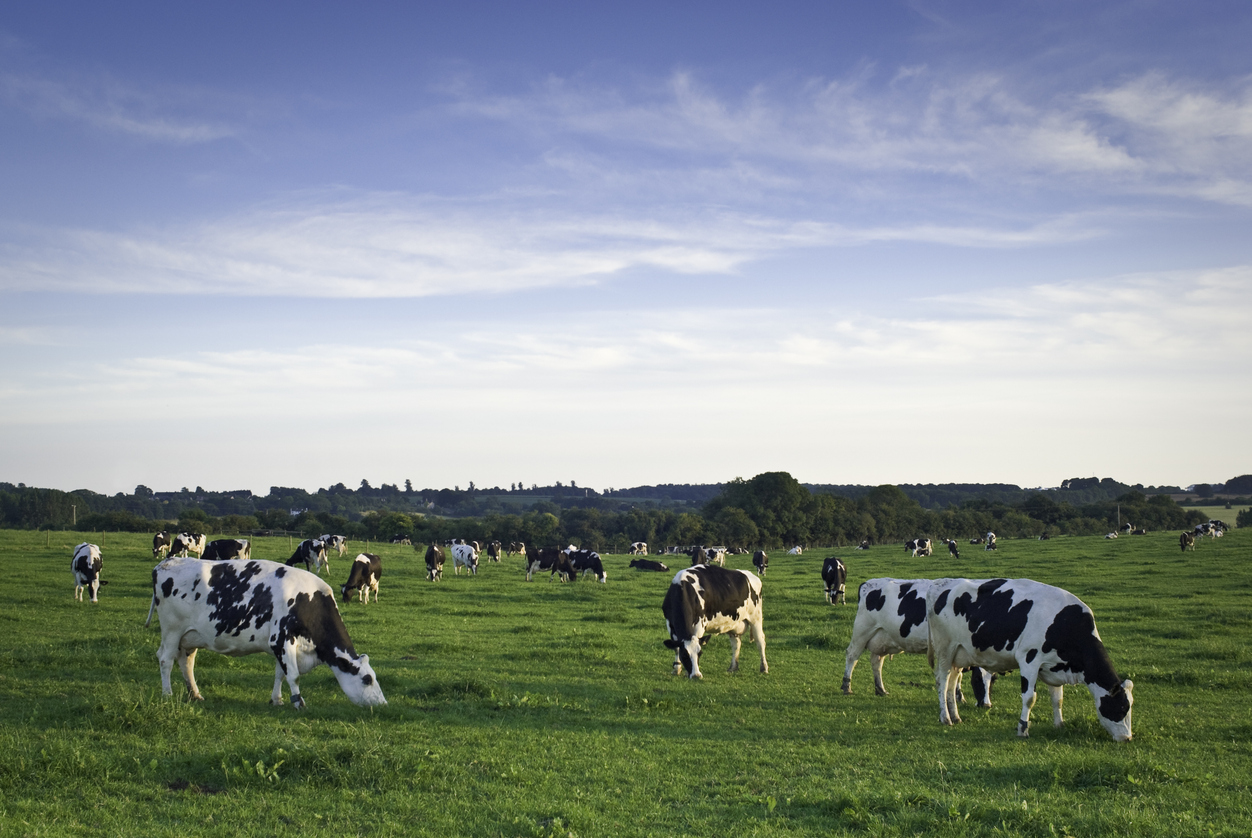
Researchers from Imperial College London highlight precision fermentation (PF) as a potential driver of more sustainable land use. By using genetically engineered microorganisms to produce proteins identical to those found in cow's milk, PF enables the development of milk alternatives with a land footprint that is up to 96% smaller than that of producing conventional cow's milk. The researchers estimate that replacing just as little as 20% of UK-produced cow's milk with PF alternatives could free up approximately 859,000 hectares of land by 2050.
|
|
|
|
|
Understanding Science Shapes Consumer Acceptance of NGT-Derived Wine |
|
|
|
As climate change increasingly challenges viticulture, New Genomic Techniques (NGTs) offer a potential way to develop grape varieties that are more resilient to environmental stresses. However, consumer acceptance remains an important factor in bringing NGT-derived wine to the market. In a survey of over 1,000 Italian consumers, researchers found that those with greater knowledge of NGTs were more likely to accept and purchase wine produced using these technologies. Consumers who considered their information sources more reliable also reported higher purchase intentions, highlighting the role of both scientific knowledge and credibility of information in shaping consumer attitudes toward NGT-derived products. Notably, consumers who were undecided about purchasing NGT-derived wine tended to have less factual knowledge of NGTs.
|
|
|
|
|
|
|

|
A biweekly update on gene editing research, regulations, and impact
produced by ISAAA Inc. |
| |
|
|

|
| A monthly update on gene drive research and development provided by ISAAA in collaboration with the Outreach Network for Gene Drive Research |
| |
|
|
|
|
|
|